

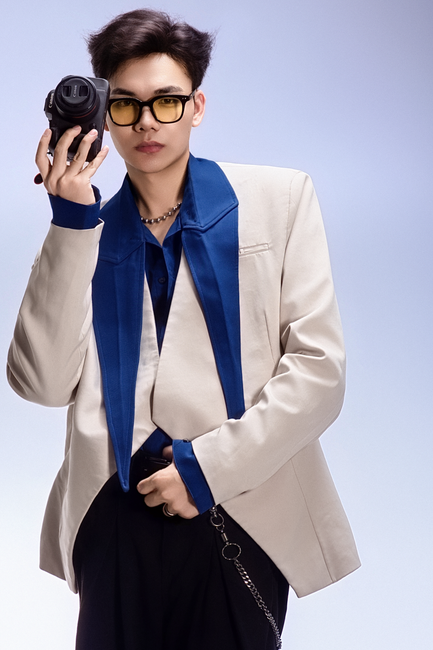
One sentence is often all that is used to explain a casual office dress code, leaving the rest open to interpretation. While one employee turns up in tailored trousers and a crisp shirt, another takes the same policy to mean that sportswear is acceptable. Where those two interpretations diverge is often the point at which wardrobe nerves set in. If jackets is on your mind, the points below should help.
You are not trying to seem as though effort has ceased. Instead, the aim is to look fitting, comfortable and prepared for the day, including a video call that comes out of nowhere or a colleague suggesting coffee with a client. A small number of simple guidelines will see you through the majority of weeks.
Observe first, shop later
During your first week, pay attention to what colleagues truly wear, not just to the wording of the policy. Take note of colleagues whose work you value and whose style sits well within the office. Study their shoes, their layering and their approach to days filled with meetings. That provides a practical standard which no written rule could hope to equal.
Notice which details appear again and again across the office. Where collared shirts are the norm, a plain T-shirt can seem overly casual, even when the rules permit it. If jeans are typical but never distressed, choose a clean, dark pair. It is better to settle comfortably within the norm than to test how far it stretches.
A person who looks reliably smart is generally sticking to a basic pattern. Take the formula as your model, rather than copying the precise outfit.
Create a core wardrobe that mixes easily
Fewer trustworthy pieces will achieve more for you than a whole wardrobe of one-off buys. Select clothing in a common colour scheme so that virtually anything can be worn alongside anything else. For most casual office days, neutral trousers, a handful of plain tops and one or two layers are enough.
Tops that do more
Select tops with a clean-cut neckline and a fabric that has some weight to it. A well-cut T-shirt, a basic shirt and a plain knit will handle the majority of occasions. Keep away from slogan prints, oversized logos and clothing that looks like pyjamas. For a closer look, custom leather jackets covers this in more detail.
Trousers, skirts and fit
A safe first choice in many casual offices is dark jeans that are not ripped. Likewise effective are chinos, simple skirts and wide-leg trousers made from cotton or wool blends. Examine the hem and waistband, because a well-fitting pair looks sharper than an expensive pair that does not fit.
Shoes and layers
A plain outfit can be made to look deliberate with a cardigan, a fine-knit jumper or an unstructured jacket. Select shoes that are clean and comfortable enough for the journey in. In many workplaces, plain trainers are acceptable, though it is wise to keep a smarter pair at your desk for unexpected occasions.
The line into carelessness
Casual does not have to mean lacking consideration. Normally, a handful of visible details make the difference, and most can be corrected easily before you leave home.
- Ensure clothing is clean, neatly pressed and free from pet hair.
- Do not wear visible underwear, plunging necklines or very short skirts.
- Reserve frayed edges, rips and faded patches for your days off.
- Pick shoes that are clean and in sound condition.
- If accessories jangle or prove distracting, remove the surplus ones.
- Have a lint roller and a spare plain top available in your desk.
If an item leaves you doubtful, ask yourself if you would wear it to a casual lunch with someone you admire. When the answer is negative, reserve it for home. You want to look as though a decision was made, not as though you took whatever was nearest.
Fit and grooming go further than clothing
A cheap outfit with a good fit will invariably appear better than an expensive one that fits poorly. Look at where the shoulder seam sits, how long the sleeves are and how your trousers fall over your shoes. A straightforward alteration can turn a garment that is almost right into one you wear regularly.
Personal grooming counts just as much in an office with a casual dress code. Neat nails, clean hair and a fresh smell all contribute to the impression you make. Have a small kit at your desk containing a comb, a stain-removing wipe and spare socks. These small preparations are more important than any single purchase.
Do not overlook comfort, since it shapes how you hold yourself. You will appear less relaxed if a piece of clothing pulls, rides up or requires frequent adjustment. Select materials that breathe and styles that permit easy movement.
Handle the in-between days
Certain days fall between casual and formal, such as a presentation, a client visit or drinks for a departing colleague. Have a more polished outfit prepared. You can make a casual base appropriate within minutes by adding a clean shirt, darker trousers and polished shoes.
The best tool at your disposal is layering. A collared shirt beneath a fine jumper gives a tidy look that does not feel rigid. Once the meeting is over, an unstructured jacket can be taken off. Under your desk, keep another pair of shoes in case plans alter at short notice.
Plan what you will wear the night before if you can see a busy week ahead. That takes away the rush in the morning and helps you steer clear of clothes that are nearly right.
A basic plan for the week
Build your weekly plan around the days ahead of you. Save more relaxed combinations for calmer days, and wear your most dependable outfits when meetings are scheduled. Prepare your clothes the previous evening, allowing you to see the full outfit instead of making a guess in poor lighting.
Keep it straightforward: a clean base, a layer if you need one, and comfortable, tidy shoes. By rotating what you wear, you prevent anything from wearing out too soon; wash pieces before they lose their shape.
Casual office wear does not require you to stick to a strict rulebook. Instead, it means reading the environment at work, choosing well-fitting clothes and keeping the small details neat. The daily choice gets much easier once you have established a core that works. The same thinking applies well to jackets.


Comments